Rehabilitation of the N-342 in Murcia using in-situ recycling with emulsion
Client:
Directorate-General for Roads (DGC) of the Ministry of Transport and Sustainable Mobility
Location:
Murcia
Period:
2026
Type of work:
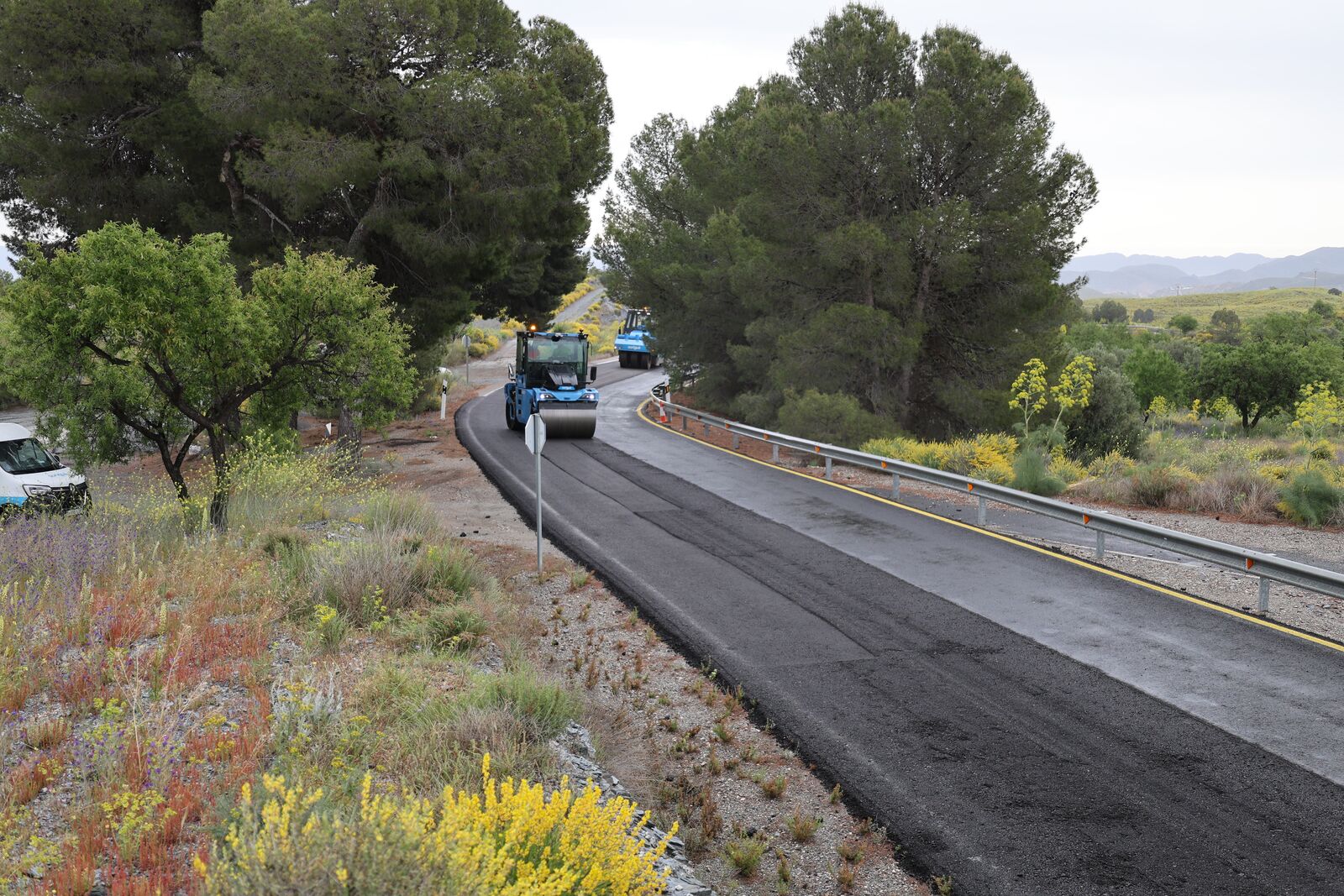
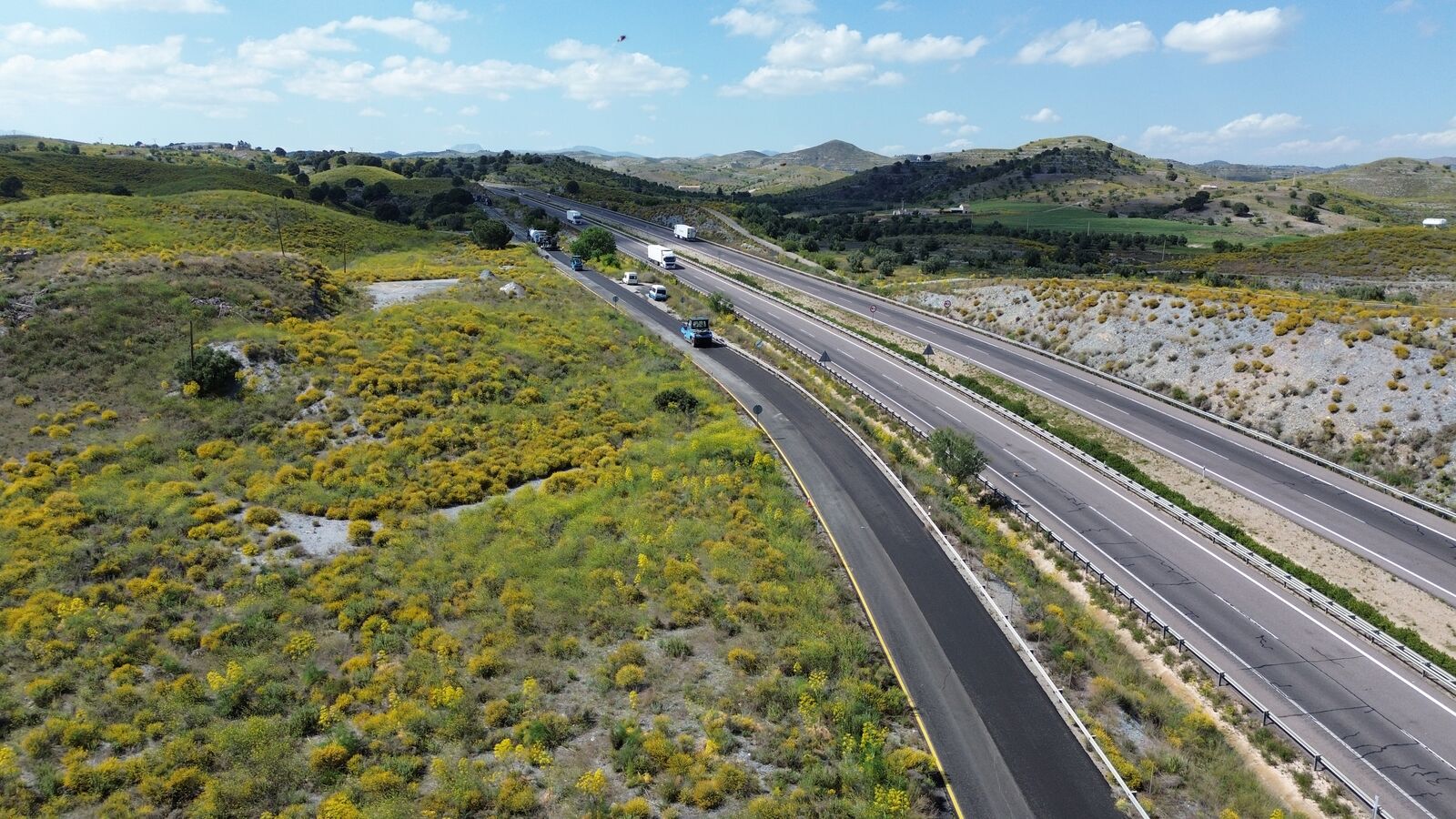
Sorigué brings its expertise in sustainable paving to the province of Murcia, as part of Efapaves, the first sustainable pavements programme driven by the Directorate-General for Roads of the Ministry of Transport and Sustainable Mobility.
The project involves the rehabilitation of pavements on the N-342 road as it passes through Murcia, using techniques that provide greater energy efficiency compared to conventional procedures and reduce CO₂ emissions, helping to improve air quality.
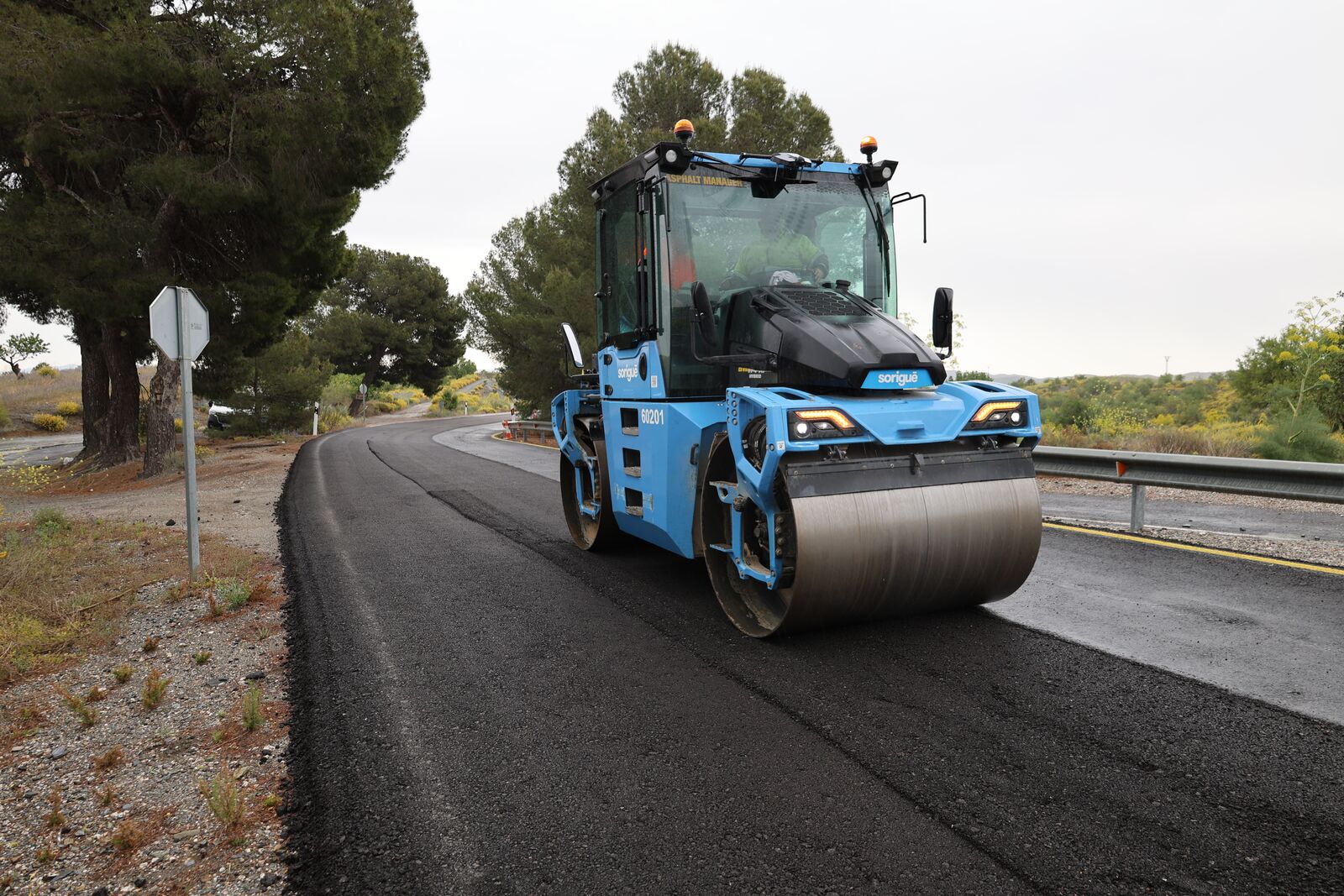
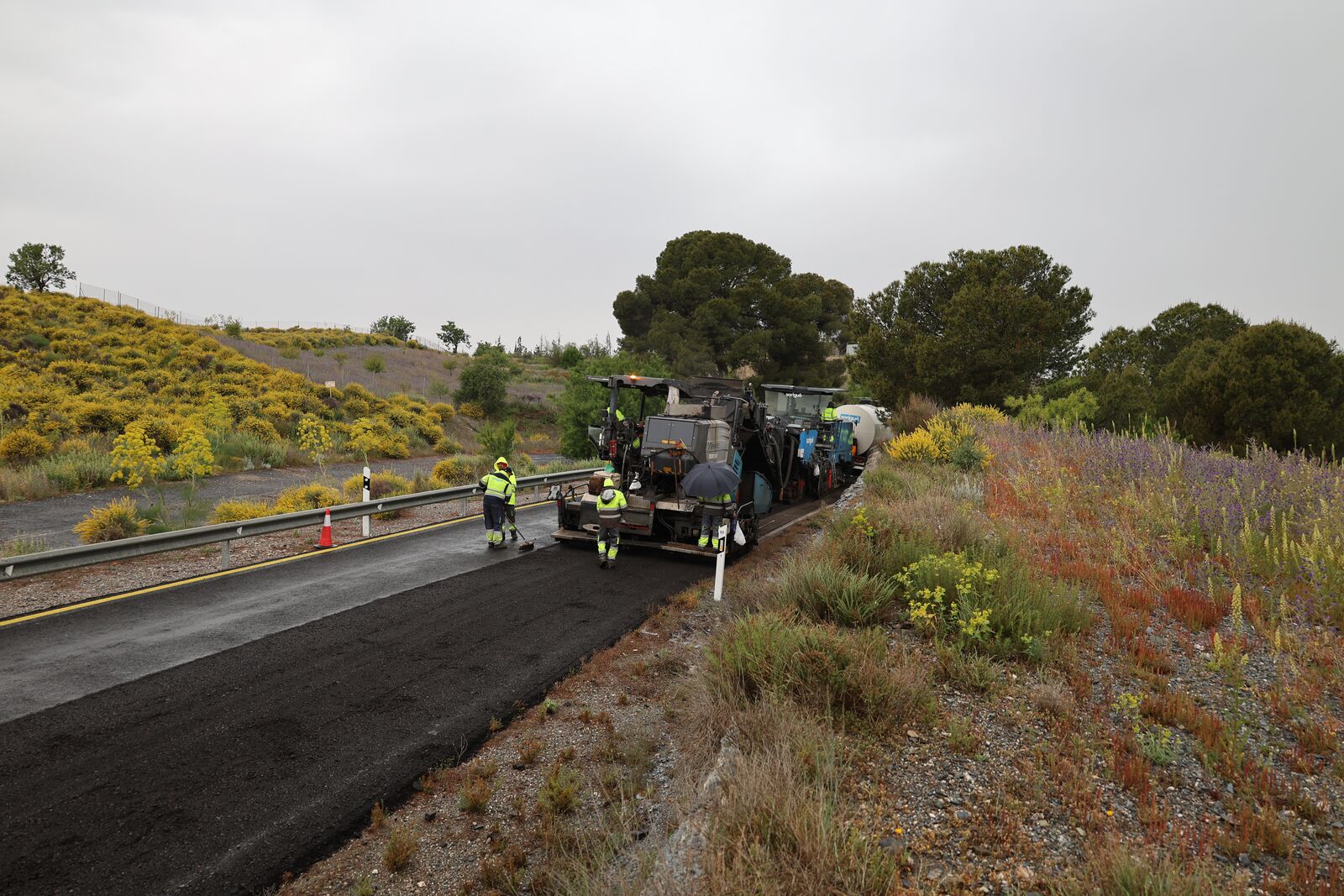
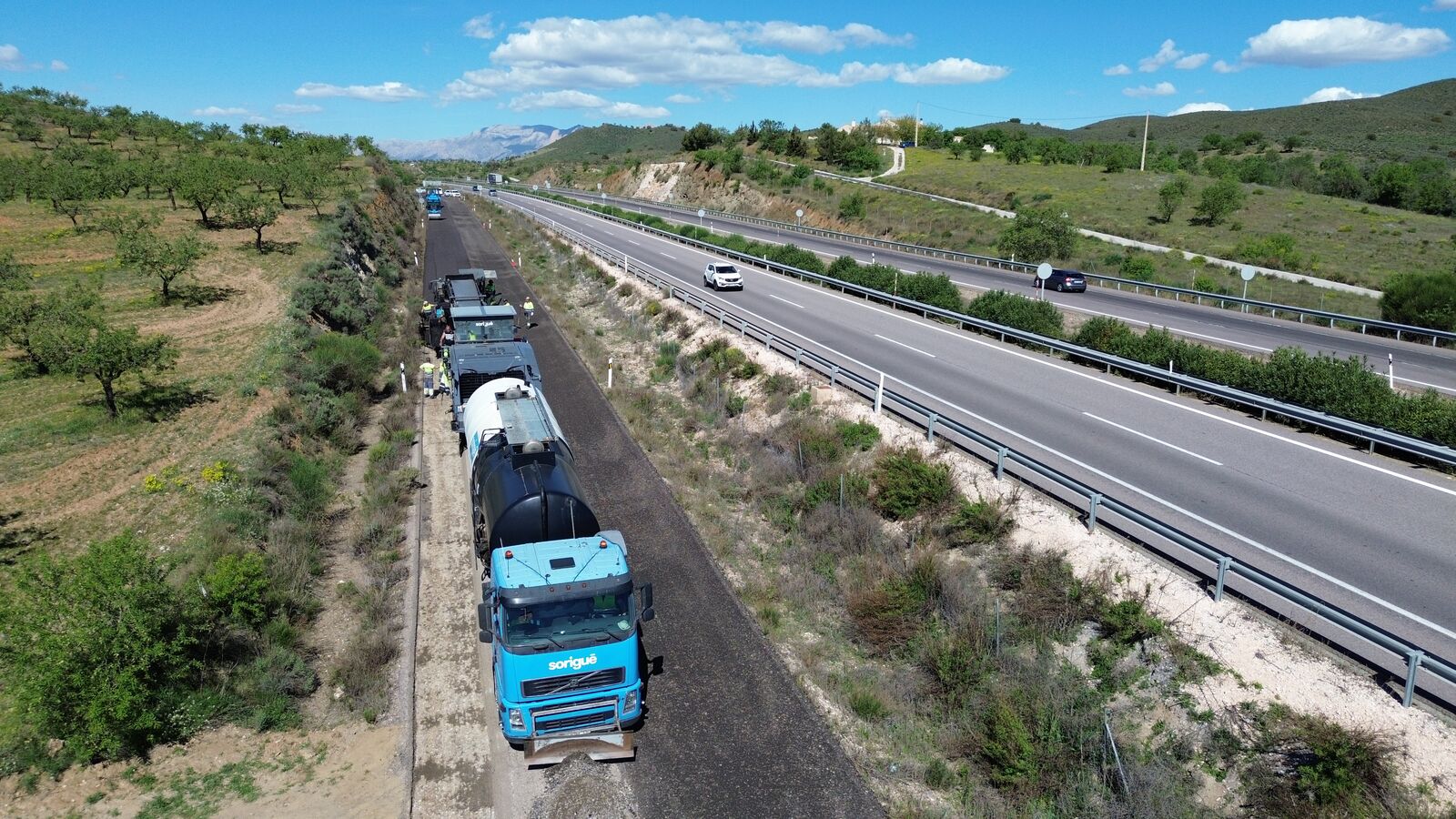
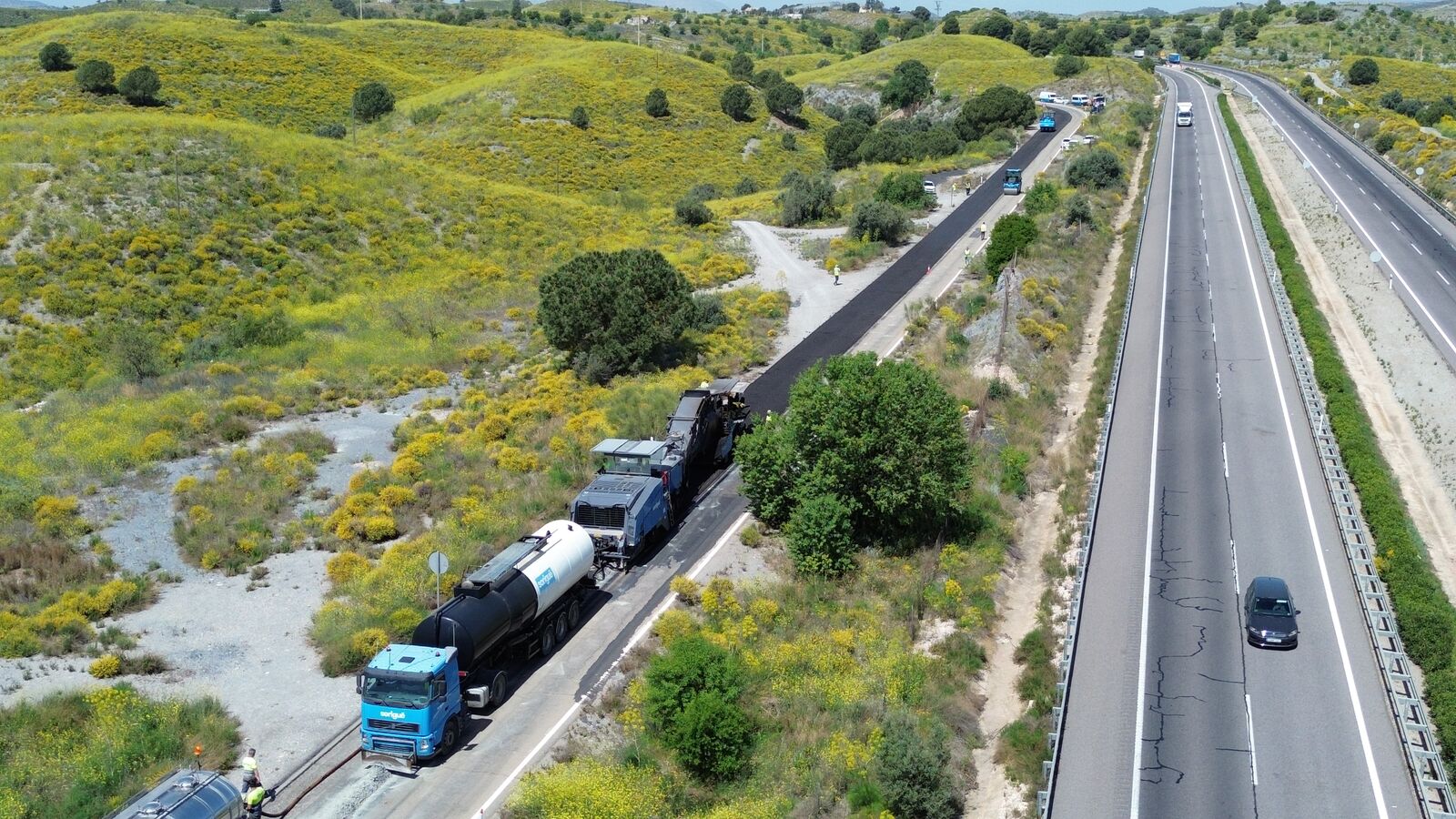
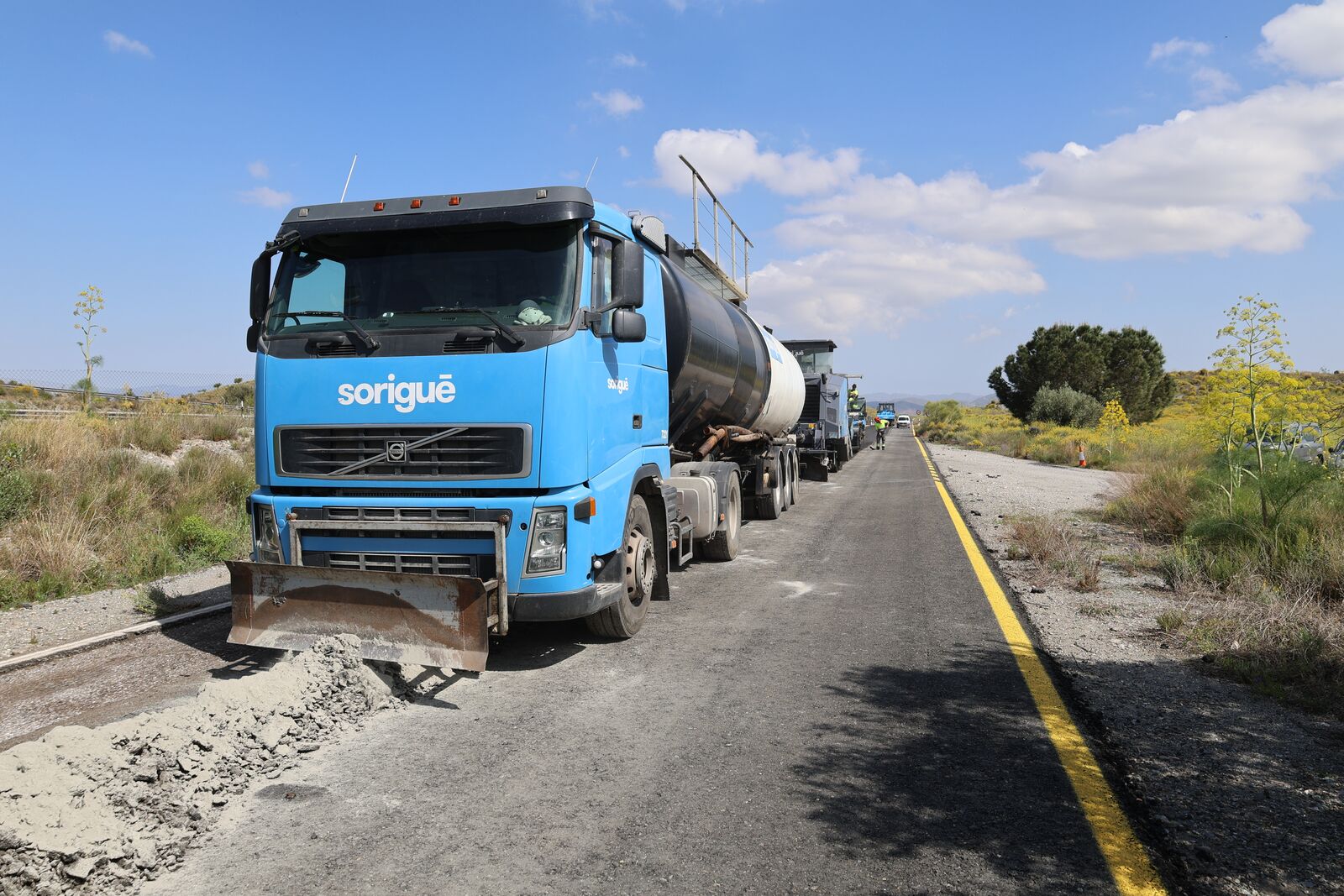
Sorigué applied the technique of in-situ recycling with emulsion, a circular procedure that uses milled material from the existing pavement to create a homogeneous mixture with bituminous emulsion, water and, potentially, additives. All of this is done at ambient temperature and in a single process that ends with the laying of the recycled pavement.
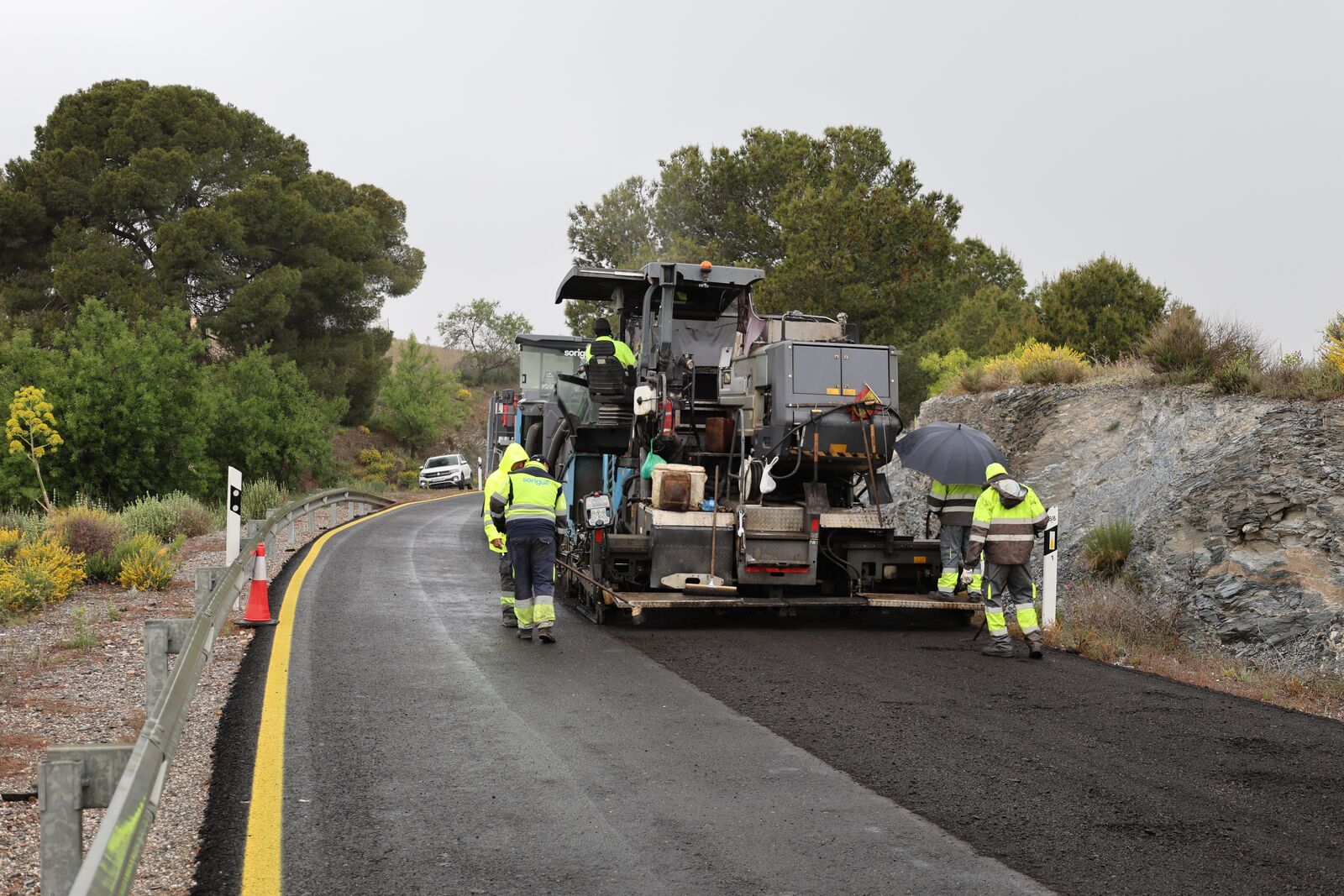
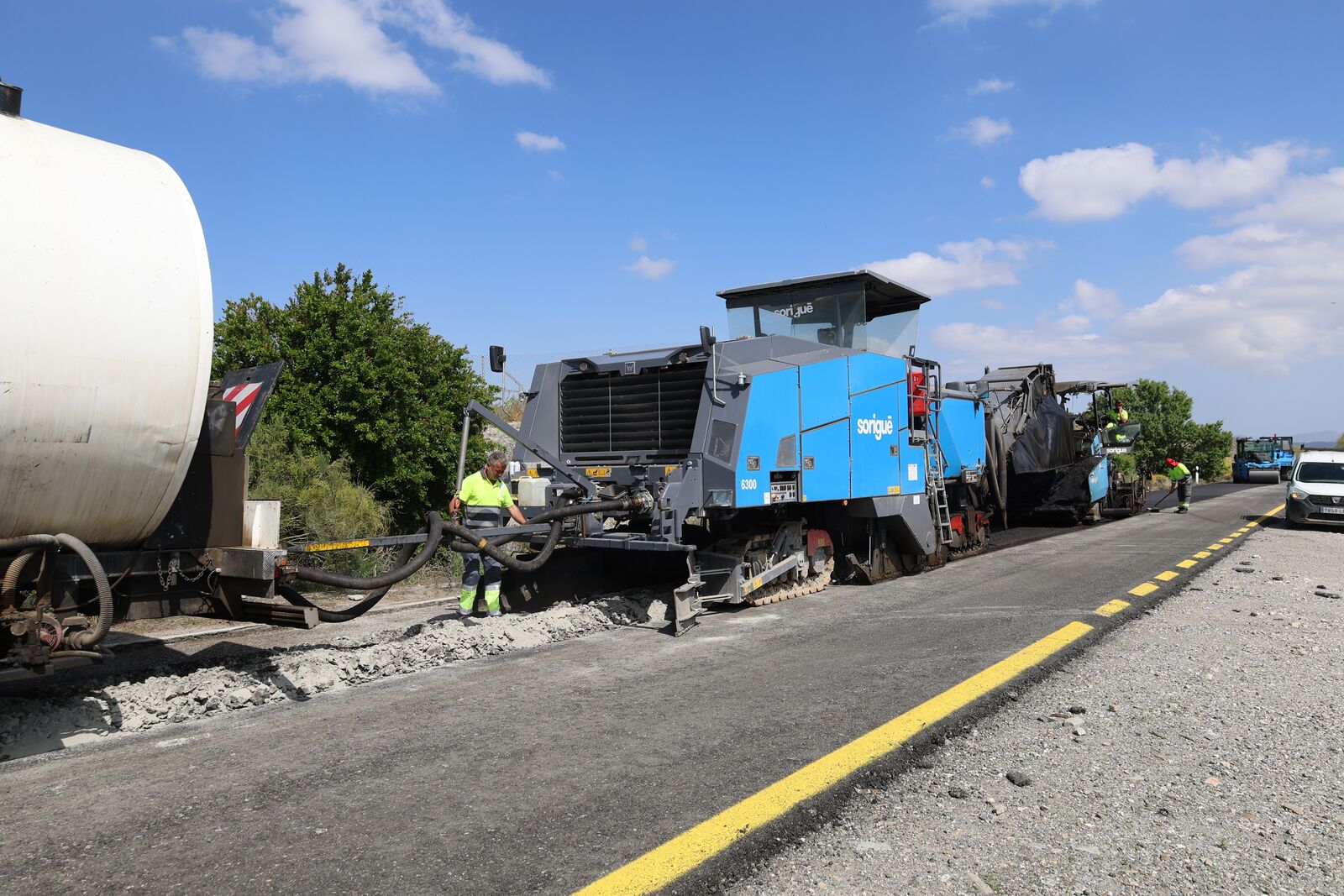
One of the most notable aspects of this project was the use of the recycling train that includes the W240i recycler, which, unlike standard machines, can pave the entire lane in a single work cycle.
Efficient Asphalt Pavements (Efapaves) is the Ministry of Transport and Sustainable Mobility’s programme which, in its first phase, aims to renew the pavement of 114 km of the road network across Castile and León, Murcia, Galicia, Asturias, La Rioja, Aragon and Cantabria using reused and sustainable materials.
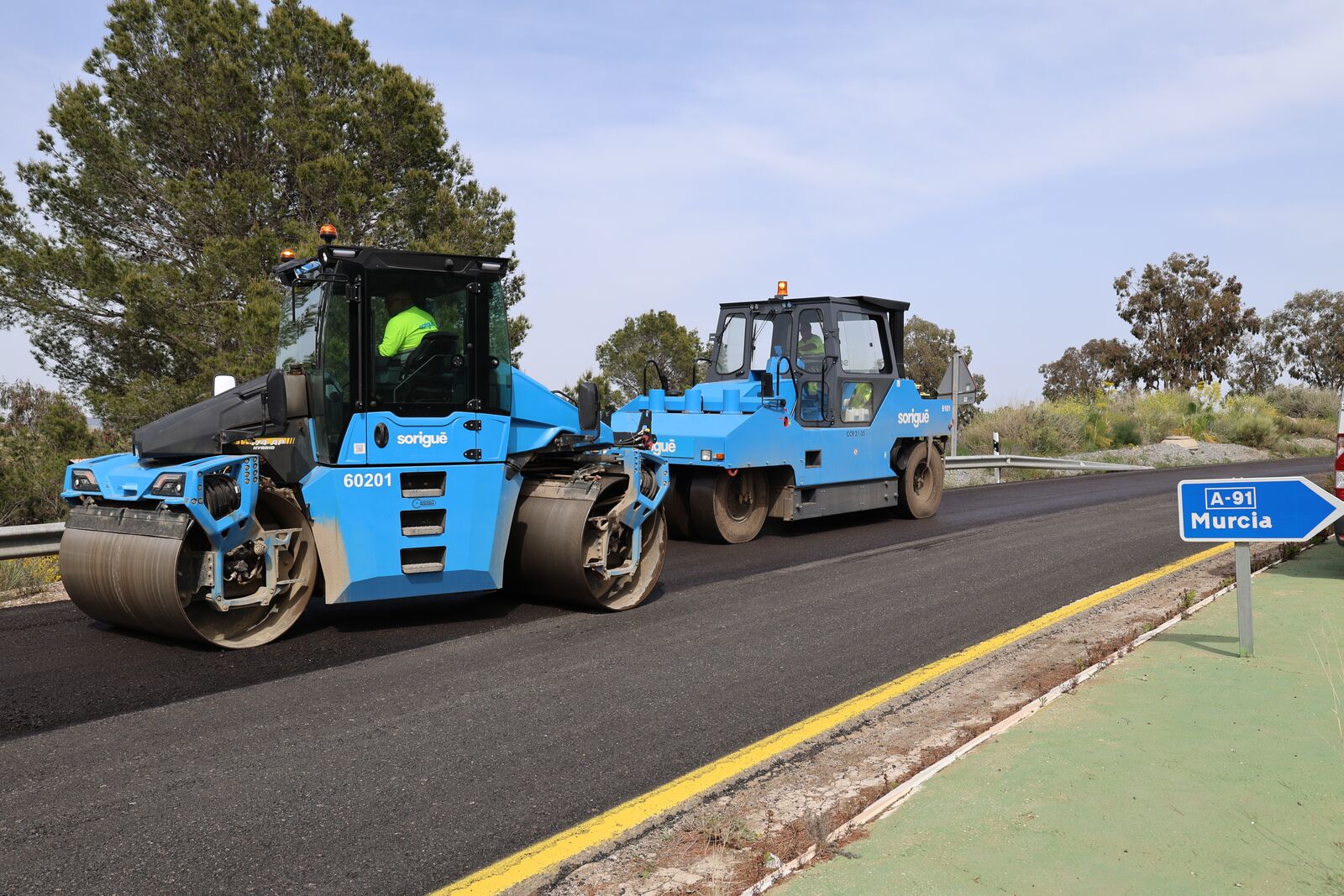
Sorigué is carrying out work on several sections of the N-342 road within the municipality of Murcia, using in-situ pavement recycling techniques with emulsion and the reuse of hot bituminous mixtures.
A rejuvenator has been incorporated into the emulsion to reactivate the bitumen of the existing mixture, improving the coating of the aggregate and increasing the lifespan of the recycled layer.
The recycling process was carried out in situ, while the 2 cm wearing course overlay was produced from the construction company CHM’s plant in Puerto Lumbreras, 12.8 km from the central point of the site.
Technical characteristics of the process
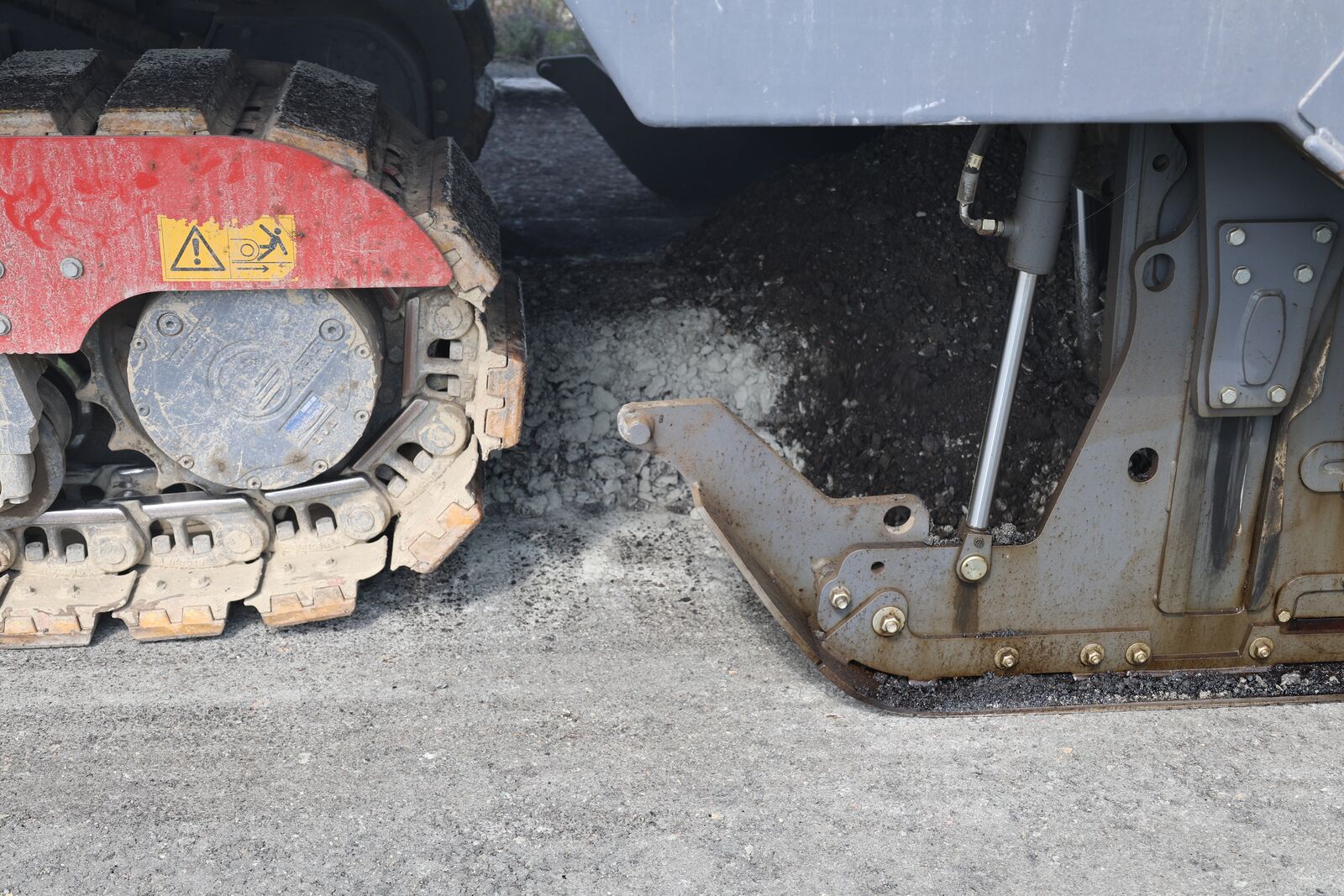
Milling with a ‘Down-Cut’ system: The machine operates using a milling drum that rotates in the direction of travel. This system guarantees superior grading homogeneity, as the maximum size of the milled material is determined by the geometry of the cutting tools and not by the prior degradation of the pavement.
Precision dosing: The equipment integrates microprocessor-controlled injection systems that add the bituminous emulsion and water in exact doses, based on the working speed, thickness and working width, ensuring a homogeneous mixture.
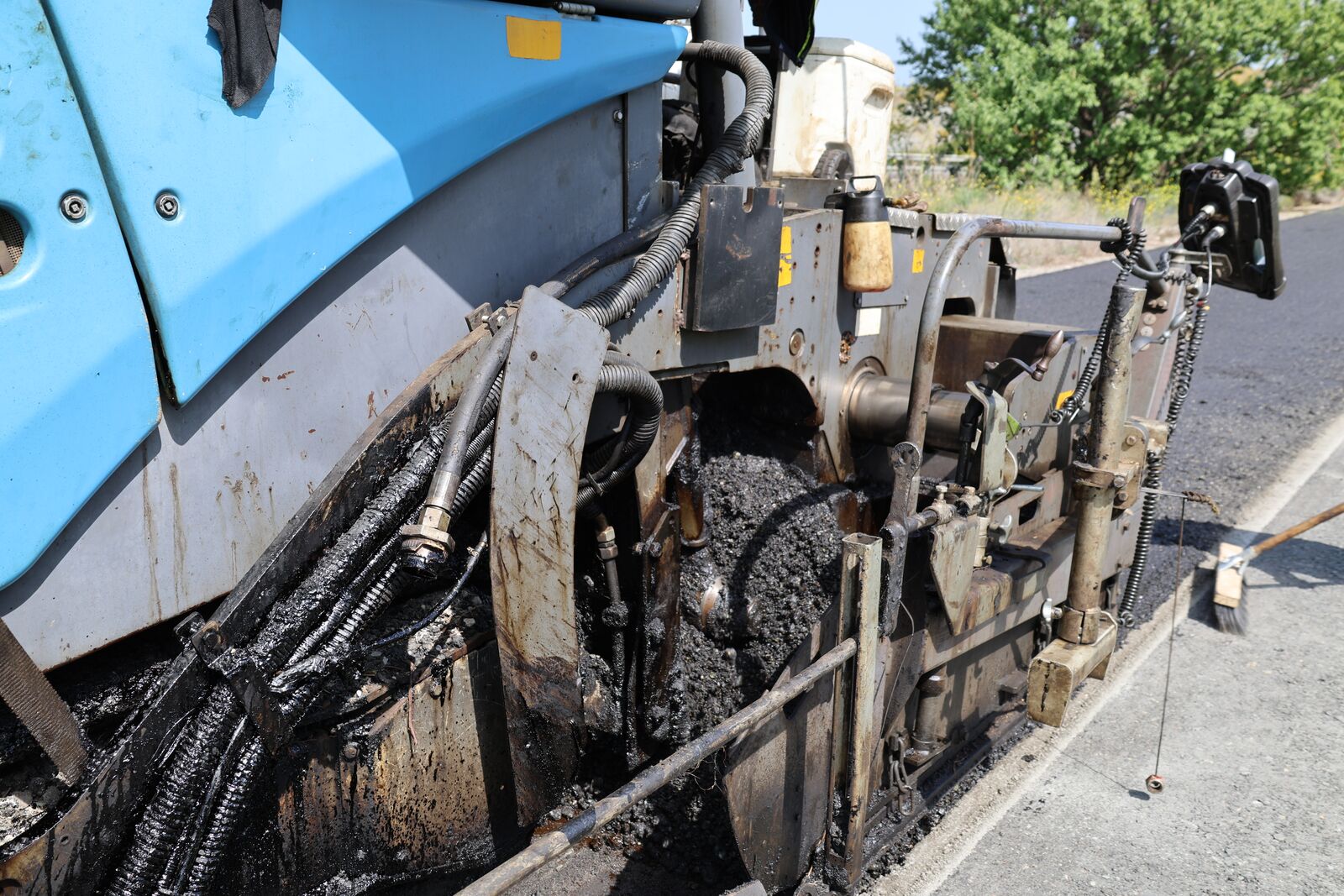
Direct paving logistics: The W240i features a transfer conveyor that transports the processed material directly to the hopper of an asphalt paver. This enables laying at full lane width in a single pass, eliminating the longitudinal joints that usually appear with traditional methods.
Geometric control: The machinery is equipped with automatic levelling systems that guarantee maximum precision in layer thicknesses, optimising results in the in-situ emulsion recycling process.
Improvement in surface evenness: The combined use of the recycler and the paver raises the standards of surface regularity (IRI), achieving exceptional longitudinal and transverse evenness. This translates into greater riding comfort and increased structural durability.
DETAILS
Technical data
- 6 cm in-situ recycling with C60B5 REC type cationic modified bitumen emulsion of the binder course along the entire study route and across the full carriageway width occupied by both lanes (9 m).
- 2 cm overlay of SMA 8 Surf R15 wearing course with PMB 45/80-65 polymer-modified bitumen across the entire study section and the full width of the platform including hard shoulders (9 m).
- Binder application rate: 5.8% by mixture weight
- Cellulose fibre application rate: 0.3% by mixture weight
- The bituminous emulsion in the tack coat is C60B3P TER with an application rate of 500 g/m².
Advantages of in-situ pavement recycling with emulsion
- Reuse of all existing material.
- Low energy consumption as there is no need to remove the layer or produce aggregates for a new one.
- Zero waste generation.
- Reduction in transport costs as these are limited to the delivery and removal of machinery.
- High initial flexibility and an improved deformation modulus over time.
Gallery