Administrations, Companies, and Technology Centres Analyse the New Regulations for Water Reuse
Sorigué Begins Construction of the First Platform for the...
The Conservation Division Awarded for Its Contribution to...
Go to press room Go to News
Administrations, Companies, and Technology Centres Analyse the New Regulations for Water Reuse
September 19, 2025
With Royal Decree 1085/2024 of 22 October coming into force, the water cycle is strengthened to improve wastewater treatment and the delivery of reclaimed water for urban, agricultural, industrial, and environmental uses.
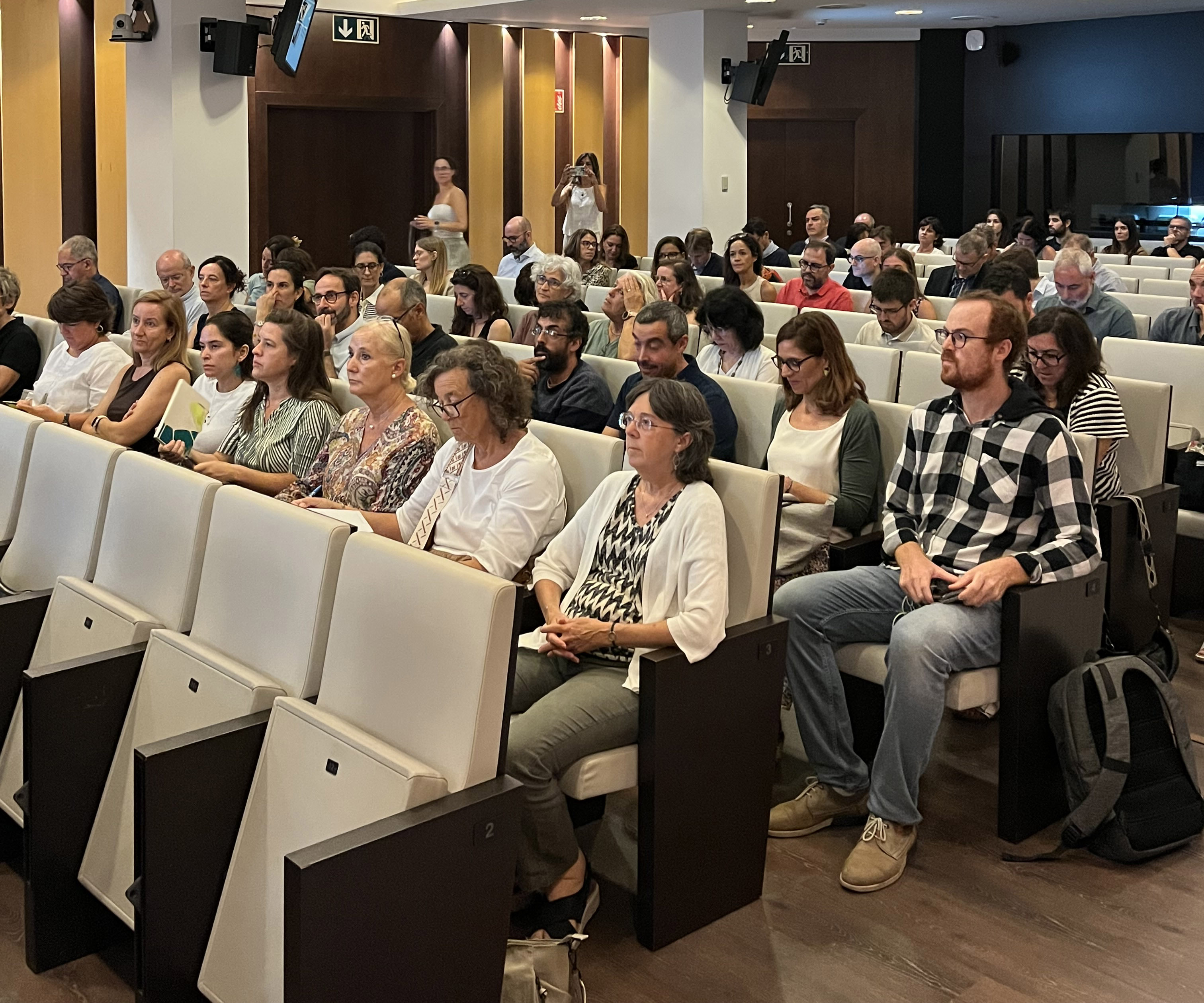
The Catalan Water Partnership (CWP), the leading cluster for the water sector in Catalonia, brought together more than 170 people – from public administrations to operating companies and end users – to discuss Royal Decree 1085/2024, dated 22 October, which regulates the facilities and uses of water reuse systems.
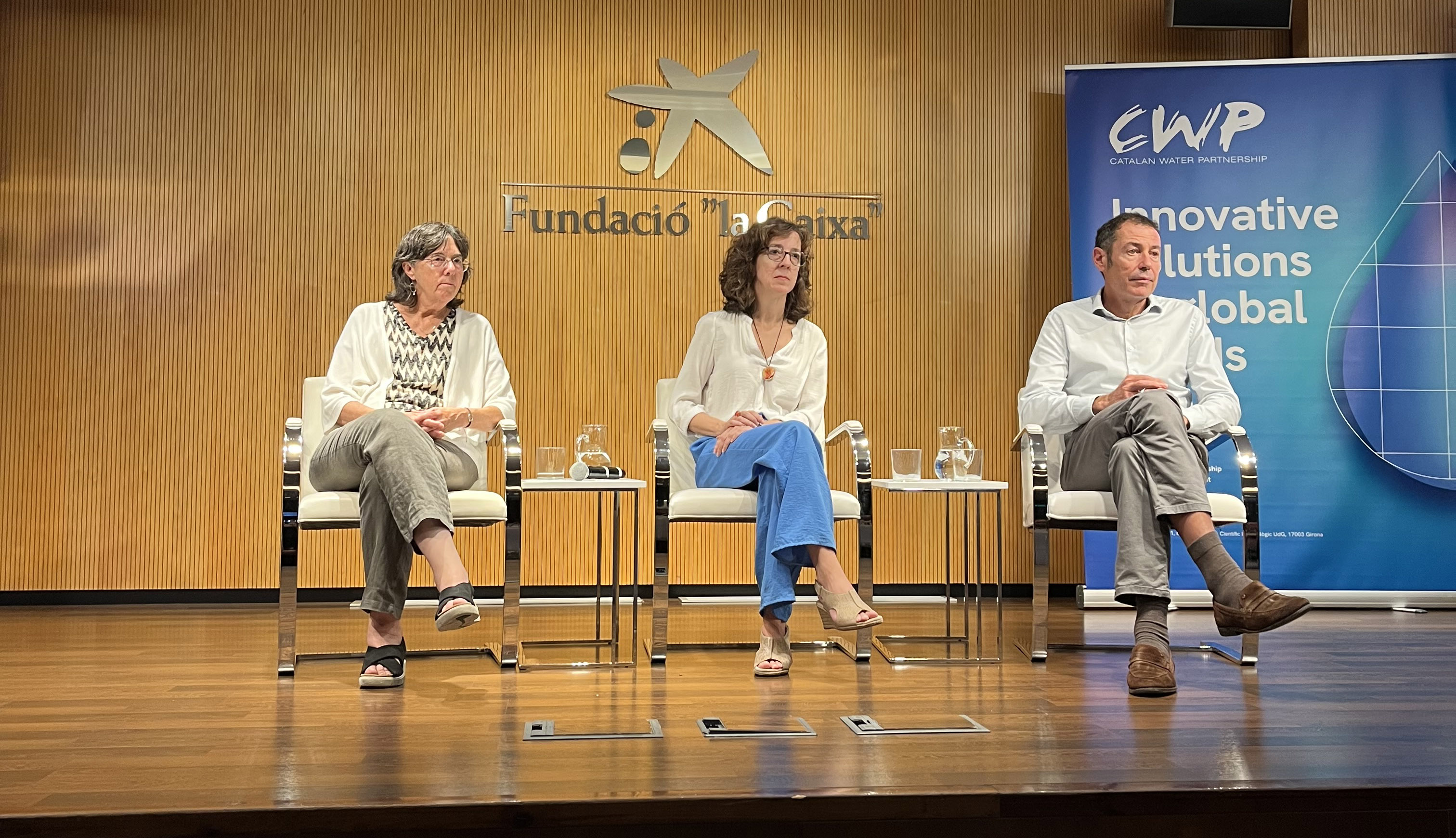
The event, titled “The New Royal Decree on Reuse: Challenges and Opportunities,” brought together representatives from the Ministry for Ecological Transition and the Demographic Challenge (MITECO), the Catalan Water Agency (ACA), and the Public Health Agency of Catalonia at the same table for the first time.
The day also provided an up-close look at several success stories from companies, municipalities, and organisations that are already utilising reclaimed water in various ways.
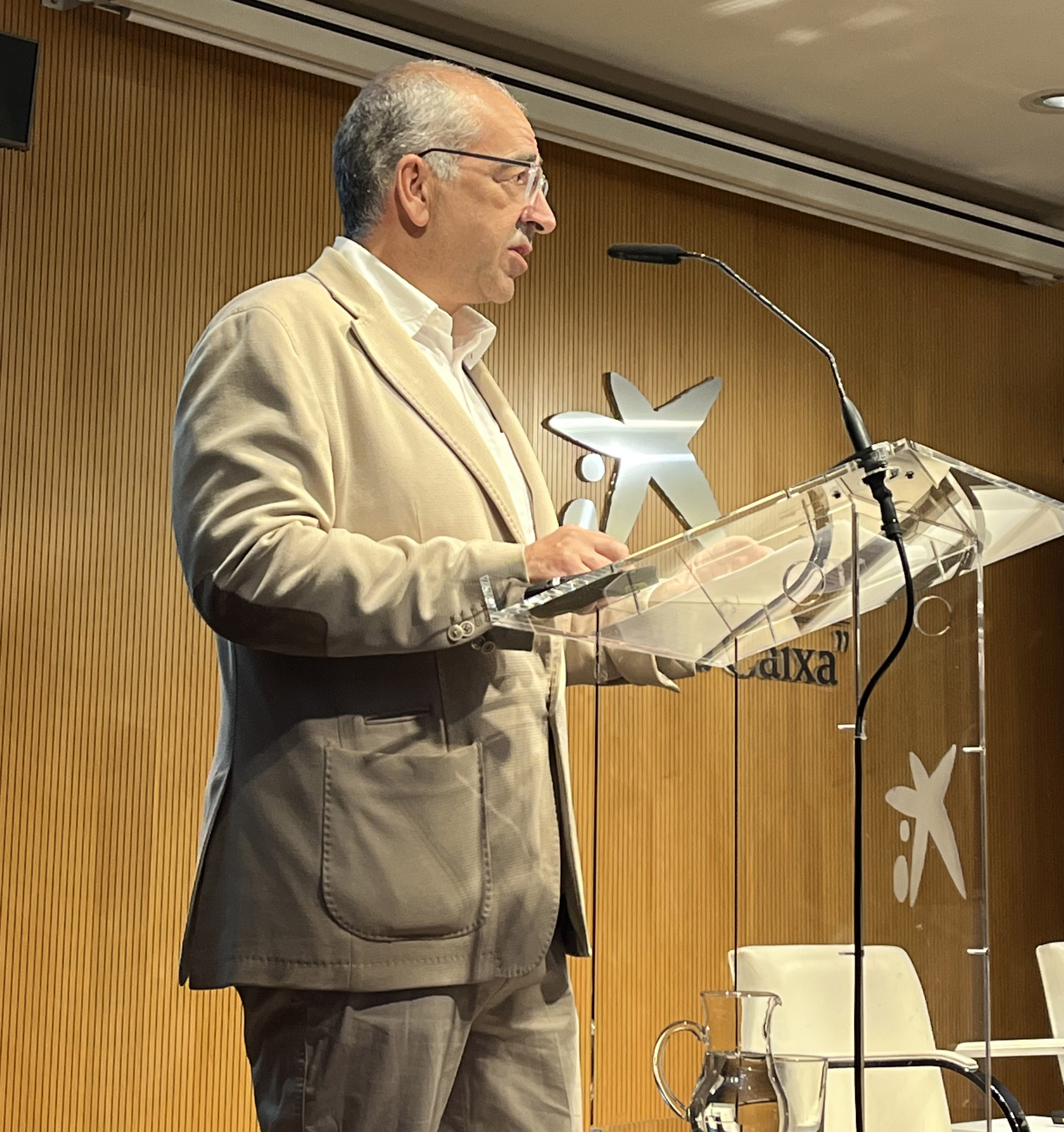
Andreu Iglesias, Director of Water Engineering and Biomethane in Sorigué’s Water division, opened the event in his role as a member of the CWP board of directors.
In his speech, Iglesias emphasised that “the water transition involves incorporating reclaimed water into the supply system. This will allow us to free up natural resources and provide solidity and resilience to the supply system, while always ensuring safety and reliability. Risk management will be essential, and governance more important than ever.”
Indeed, one of the major advantages of water reuse after the treatment process is the release of sources that can be allocated to more demanding uses, such as drinking water supply, and the relief of stress in areas most vulnerable to drought.
The new regulation requires the development of a Risk Management Plan that includes, among other aspects, potential hazardous agents that could affect the quality of the water to be reused in industrial, urban, agricultural, recreational, or environmental activities, as well as measures to keep these risks at acceptable levels for the environment and human and animal health.
The Importance of WWTPs
The circuit for utilising reclaimed water begins at a Wastewater Treatment Plant (WWTP), then passes through a Water Reclamation Station (WRS) for distribution via Reclaimed Water Compliance Points (RWCP) and Reclaimed Water Delivery Points (RWDP).
In this process, WWTPs are key, as Andreu Iglesias pointed out: “there would be no reclaimed water without efficient sanitation.”
In fact, Irene Corbella, head of the environmental health service at the Public Health Agency of Catalonia, highlighted the role of WWTPs, noting that “even though wastewater has a significant microbial and chemical load, current treatments make it possible to obtain qualities suitable for different uses.”
Jordi Molist, director of the supply area at the Catalan Water Agency (ACA), stated that the new Royal Decree presents an opportunity to reduce the percentage of treated wastewater currently discharged into the sea.
Of the 610 hm3 per year produced in Catalonia, 39% ends up in ocean waters, 12% is direct reuse, 31% is indirect reuse, and 18% flows into rivers without reuse.
For this reason, the Catalan administration plans to develop new Water Reclamation Stations in the medium and long term, aiming to increase reclaimed water from the estimated 96 hm3 in 2027 to 245 hm3 by 2040, meeting various usage needs across different geographical areas.
The success stories presented during the CWP event demonstrated the reliability and quality of supplying previously treated water for highly demanding agricultural and industrial activities, as well as advances in research and technological applications.
Finally, participants at the CWP event agreed that wastewater treatment plants (WWTPs) and the regulations for urban wastewater treatment (TARU) are now at the centre of attention. Moreover, thanks to the new Royal Decree, a favourable outlook opens up for focusing resources and talent.
Gallery