Sorigué strengthens its position as a strategic partner in the biomass sector
Sorigué shares its experience in bituminous emulsions at...
Sorigué completes construction of section three of...
Go to press room Go to News
Sorigué strengthens its position as a strategic partner in the biomass sector
October 9, 2024
With the installation of 17 biomass boilers across various municipalities in Catalonia, Sorigué confirms its role as a driver of change in the implementation of sustainable and efficient energy solutions.
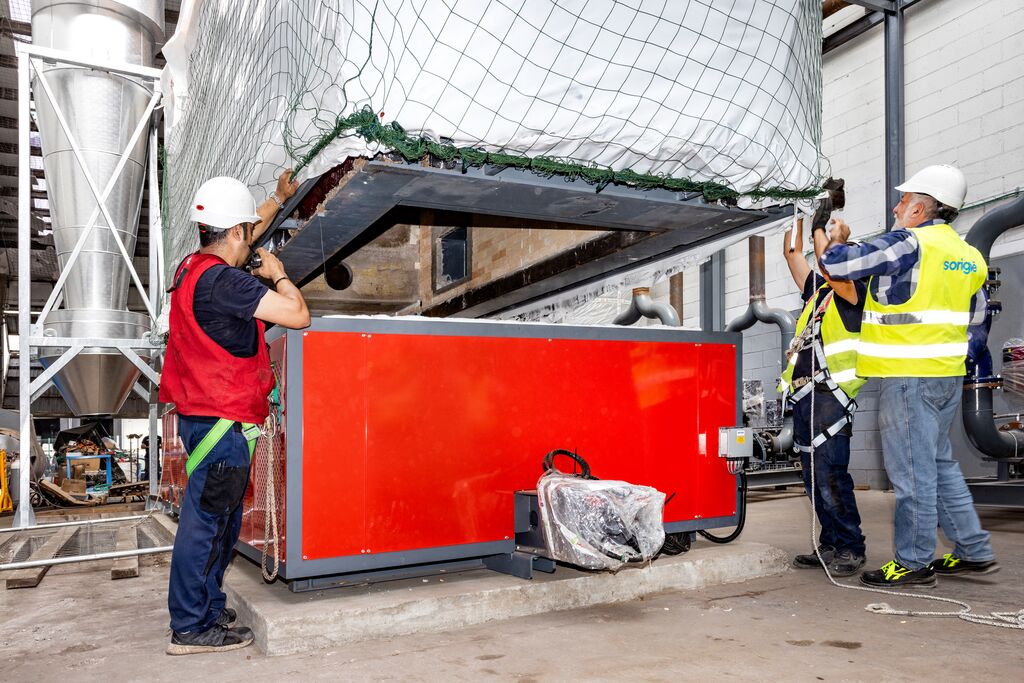
The new forest biomass boiler in the municipality of Sant Pere de Torelló, Barcelona, consolidates Sorigué’s expertise in bioenergy production, bringing the total to 17 projects developed in Catalonia by the company’s Installations and Technology division.
The municipal sports complex of Can Banús, the Baix Empordà i Frederic Martí high school in Palafrugell, and the agricultural schools of Tàrrega, Vallfogona de Balaguer, Borges Blanques and Alfarràs, among others, are clear examples of the company’s track record in this field. Sorigué’s Installations and Technology division delivers tailor-made solutions, adapting to the requirements and needs of each facility while using technologies that ensure improved energy efficiency and process automation.
Hot water in Sant Pere de Torelló
The renewable energy thermal plant commissioned in Sant Pere de Torelló is the most powerful installed to date. With a production capacity of 4 MWt, it generates hot water to supply around 600 homes, more than 30 industries, and several tertiary and municipal facilities.
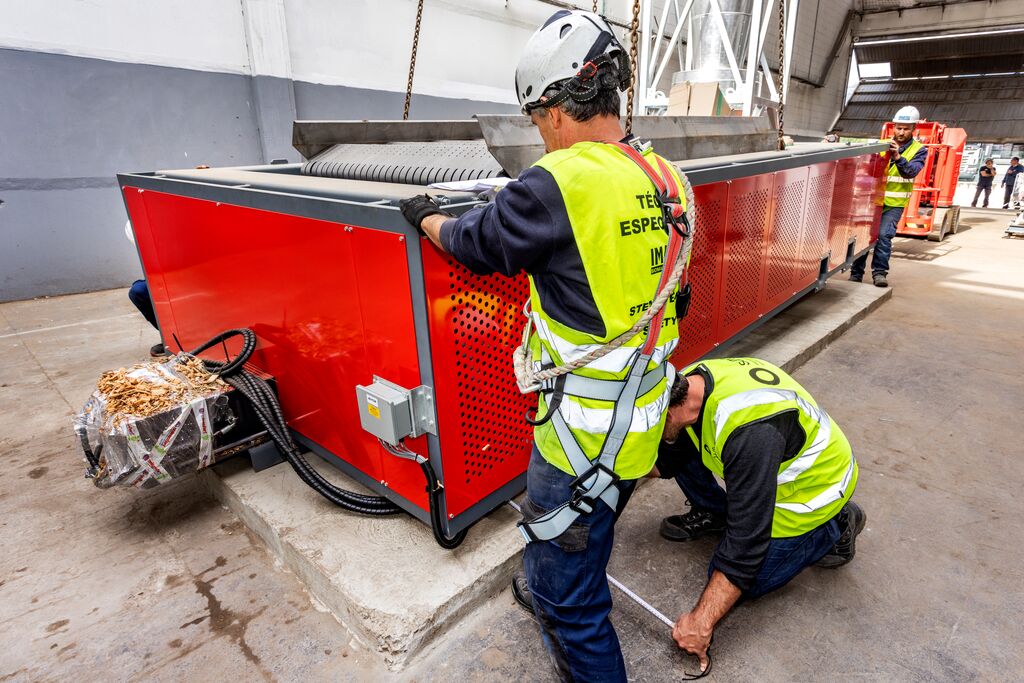
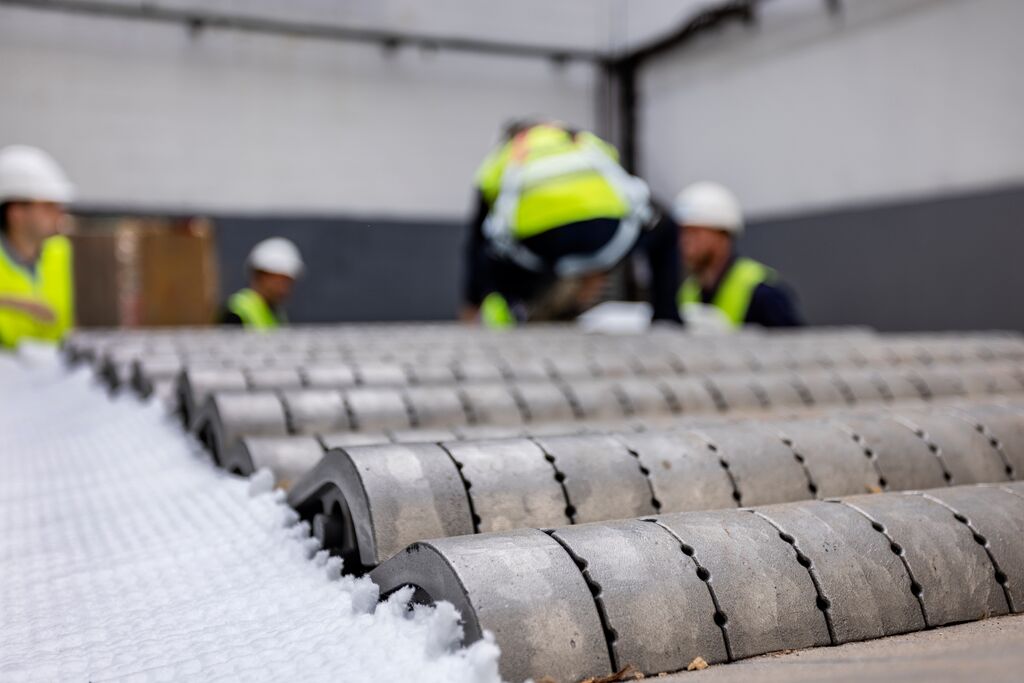
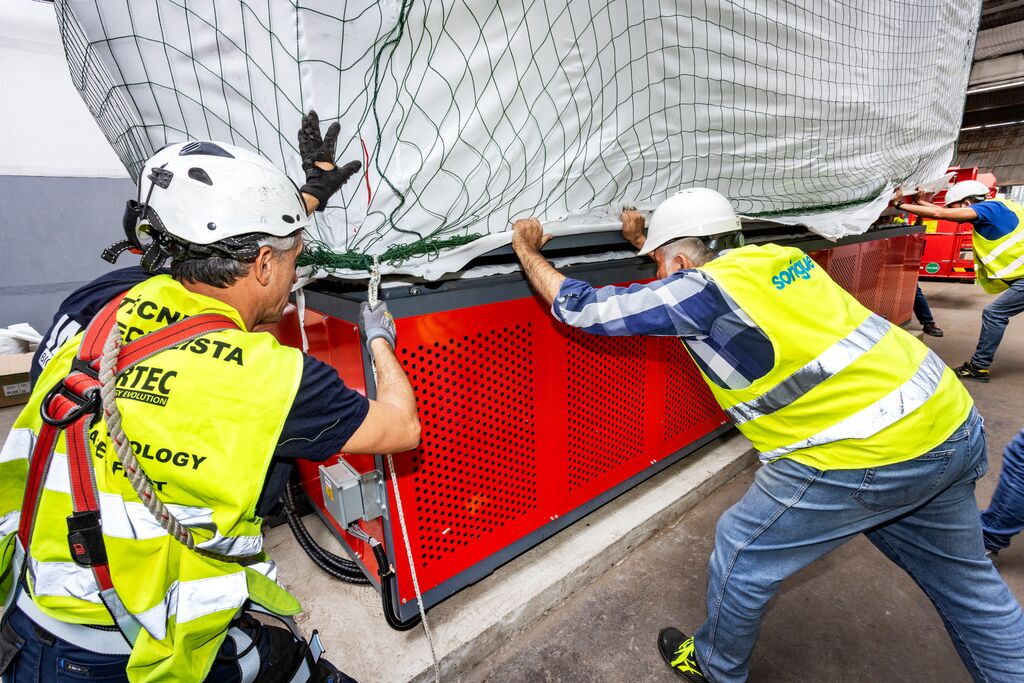
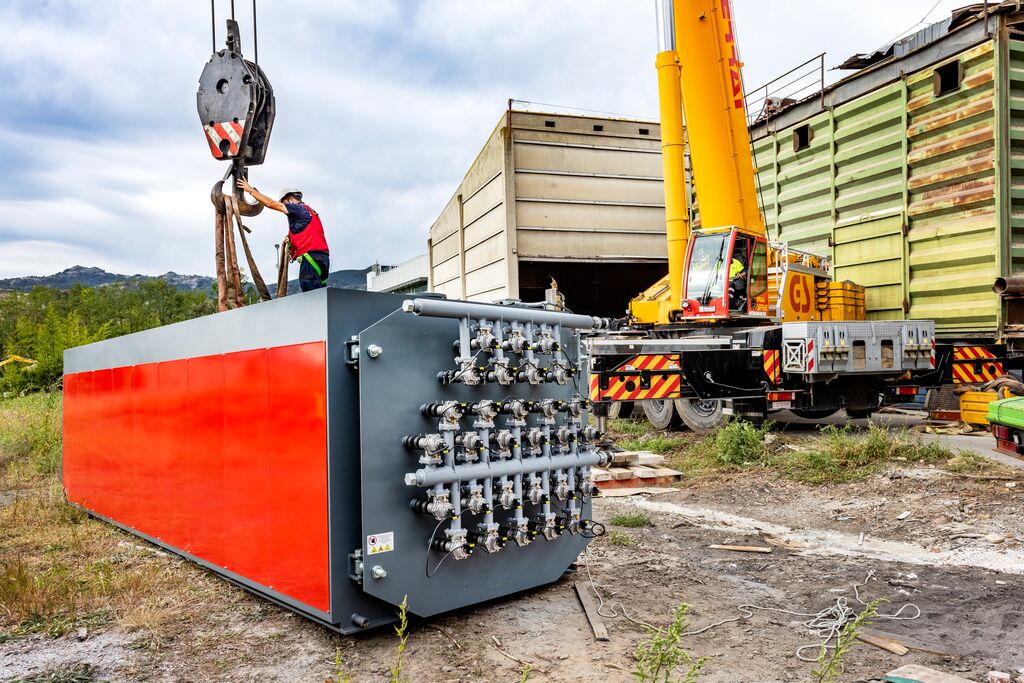
The municipality, with a population of 2,500, has been a pioneer in the use of waste from the forestry sector for heat production. Thanks to Sorigué’s recent intervention, it now features a new biomass boiler with associated hydraulic, electrical, and control systems, as well as a smoke and ash extraction system. Additionally, the district heating network includes a new walking-floor silo to facilitate the storage of forest wood chips, the main fuel used in the process.
Energy from plant-based waste
Sustainable, clean and cost-effective, the energy generated through biomass combustion has a positive impact on rural development and contributes to reducing the carbon footprint. Biomass is mainly composed of plant-based waste from the forestry and wood-processing industries, but it may also include residues from agriculture, the food sector, dedicated crops, and urban green waste management. This material stores solar energy, which is later processed in the boiler.
Biomass combustion does not contribute to the climate effect, as the carbon released originates from the atmosphere itself, rather than from underground sources as is the case with the burning of fossil fuels such as gas or diesel. The energy produced can be used to power heating or hot water systems that are highly beneficial for the environment due to minimal CO₂ and SO₂ emissions—one of the causes of acid rain—as well as the reduction of forest fuel load, a key factor in preventing wildfires.
From an economic perspective, biomass energy solutions enhance the value of the forestry market and promote the sustainable management of its resources. Moreover, as they are locally sourced, biofuel markets are not subject to international pressures.
The sustainable development of rural areas through the use of biomass opens up new opportunities in technological innovation, a field in which Sorigué has demonstrated its ability to contribute its extensive experience in research and the development of tailored solutions.
Gallery